Cheque Bounce
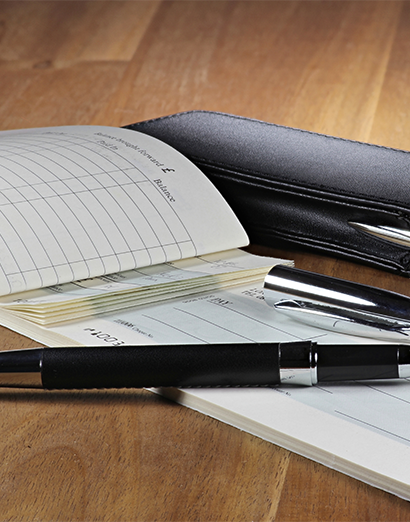
LAW ON DISHONOURED CHEQUES IN INDIA
The dishonour of a cheque is a punishable offence and invites imprisonment upto two years or with fine, which may extend to twice the amount of the cheque or with both.
Cheques are a common and effective mode of business and official transactions. To avoid misuse of cheques, they are issued as crossed “Account Payee Only” cheques.
The author of the cheque is called ‘drawer’, the person in whose favour, the cheque is drawn is called ‘payee’, and the bank which is directed to pay the amount is known as ‘drawee’.
However, cases of cheque bounce are common these days. To effectively pursue the cheque bounce cases, a structured process of litigation is to be followed.
If a cheque is dishonoured
As per the prevalent RBI directions, a cheque is valid for 3 months from the date of issue and it has to be presented in the bank of the payee within that stipulated period. When a cheque is dishonoured, the drawee bank issues a ‘Cheque Return Memo’ to the banker of the payee, mentioning the reason for non-payment. The payee’s banker then returns the dishonoured cheque and the memo to the payee. The holder or payee can resubmit the cheque two more times within those three months, if he is made to believe that it will be honoured. However, if the drawer fails to make a payment, then the payee has the right to prosecute the drawer legally.
The payee may legally sue the defaulter / drawer for dishonour of cheque only if the amount mentioned in the cheque is towards discharge of a debt or any other legal liability of the defaulter towards payee. However, if the cheque was issued as a gift, towards lending a loan or for unlawful purposes, then the drawer cannot be prosecuted for dishonor of cheque.
As per Negotiable Instruments Act, legal notice must be sent within 30 days from the date of receipt of intimation about the cheque bounce. The notice must mention that the cheque amount has to be paid to the payee within 15 days from the date of receipt of the notice by the drawer. Thereafter within 15 days (15+30=45 days) from the date of receipt of the legal notice, if the drawer of cheque is unable to make the payment, the payee can initiate criminal action against the drawer. If the drawer fails to make the payment within 15 days of receiving the notice, the payee has the right to file a criminal complaint under Section 138 of the Negotiable Instruments Act, within a month of the expiry of the notice period.
Pre-requisites for an effective prosecution
- Cheque is issued towards discharge of a debt or legal liability
- Cheque is drawn by the drawer on an account maintained by him.
- Cheque is presented in the bank of the payee within 3 months from the date of issue.
- Cheque is returned or dishonoured because of insufficient funds in the drawer’s account, stopped payment, account closed etc.
- Legal notice is sent within 30 days from the date of receipt of intimation of cheque bounce.
- After receipt of notice, the drawer doesn’t make the payment within 15 days.
- Case is filed within 30 days from expiry of notice period.
LEGAL PROCESS
- If the drawer makes payment of the cheque amount within 15 days from the date of receipt of the notice, drawer does not commit any offence.
- Otherwise, the payee may proceed to file a complaint, within one month from the date of expiry of 15 days prescribed in the notice.
- The complaint is to be filed before a magistrate, in who’s jurisdiction the bank of the drawer is located or, if there is no account of the drawer, the bank of the payee is located.
- On receiving the complaint, along with an affidavit and relevant papers, the court will issue summons to the payee and hear the matter.
- If found guilty, the defaulter can be punished with monetary penalty which may be upto twice the amount of the cheque or imprisonment for a term which may be extended to two years or both.
- The matter can be compromised at any stage with the consent of both parties, on approval of the court, after payment of cost by the drawer, rate of which depends at the stage at which, the matter is compromised.
- If the compromise takes place within first two dates of hearing, there would be no cost, if it takes place thereafter before the trial court, the rate of cost would be @ 10% of the cheque amount, the cost would be @ 15% if compromise before first or second appellate court and @ 20% if the compromise takes place before the Supreme Court.
- The trial court can order the drawer to pay interim compensation upto 20% of the cheque amount to the payee, during the pendency of trial.
- In addition to above compensation, in an appeal against conviction, the appellate court, can direct the drawer to deposit compensation @ atleast 25% of the fine or compensation awarded by the trial court.
- For initiating a fool proof legal action against the defaulting drawer, it is advisable to consult an advocate who is well versed with the law in question.
 ...
...